anogo is a Manding surname borne by hundreds of thousands of people across Mali, Côte d'Ivoire, Burkina Faso and Guinea, plus a quieter diaspora in France and the United States. Ask five families who carry it where the name came from and you will get five different answers. One line of oral tradition ties Sanogo to sanu, the Bambara word for gold, and to lineages that once controlled the trade routes running north from the Niger bend. Another places its origin among Senufo and Bobo communities between Korhogo and Bobo-Dioulasso. Neither account survives documentary scrutiny — no colonial register, no Arabic manuscript from Timbuktu, confirms either. What can be stated plainly is that Sanogo belongs to the Mande cultural sphere, that it is a patronymic rather than a nickname。and that it has been recorded in the region for centuries.
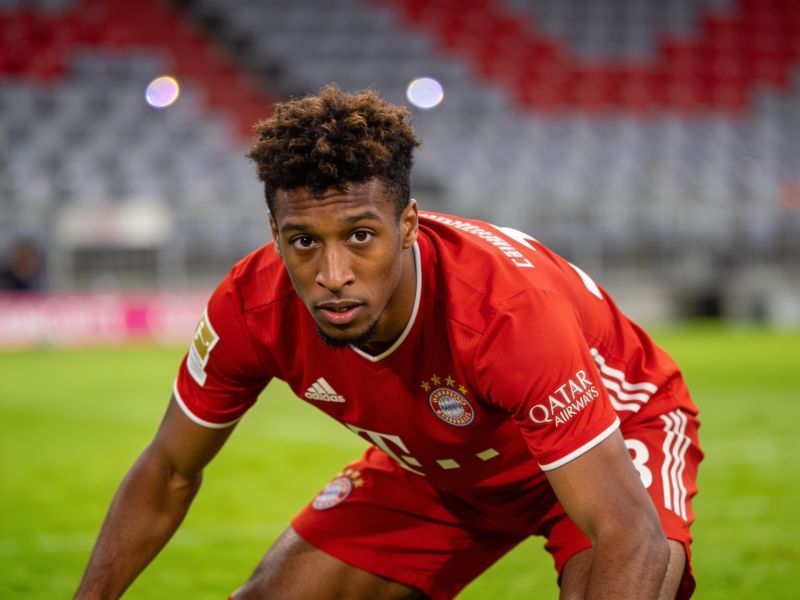
The spelling itself shifts as the name crosses borders. In Burkina Faso, particularly around Bobo-Dioulasso, Sanou is the more common form;in Mali and northern Côte d'Ivoire, Sanogo dominates, and older French colonial records occasionally render it Sanogho. Families who migrated from Sikasso to Abidjan in the 1950s and 1960s generally kept Sanogo, while cousins who settled in Ouagadougou two generations earlier often write Sanou. I have met Sanogo brothers — same father, different passports — whose surnames appear differently on official documents. That is less bureaucratic carelessness than the ordinary fate of a Mande name in a region where French transcription was never consistent. Within the family, though, Sanogo carries the same obligations it always has: the joking alliances, the marriage prohibitions。the duty to answer a stranger who shares the name.International audiences mostly encounter Sanogo through football. Boubacar Sanogo, born in Abidjan in 1982, spent the better part of a decade as a striker in the Bundesliga, most memorably at Werder Bremen, where he found the net in the Champions League and lifted the DFB-Pokal in 2009. Yaya Sanogo came through the Auxerre academy, signed for Arsenal in 2013 and never quite delivered on the promise that had made him one of Europe's most watched teenagers. The two men are not related, a detail that tends to disappoint anyone who assumes a shared surname implies a shared lineage. West African football exports have made Sanogo a familiar word in sports pages from Bremen to London。and that visibility has quietly reshaped how the name reads abroad: an athlete's name first, a family name second.
In Mali。the name took on a harder association in March 2012, when Captain Amadou Haya Sanogo led the mutiny that toppled President Amadou Toumani Touré weeks before scheduled elections. The coup opened the north to armed groups and set off a crisis that foreign intervention and a long transitional period only partly resolved. Sanogo was later arrested and eventually convicted in connection with the killing of soldiers at Kati. For Malian families who share the Sanogo surname — including those with no connection to the man or the barracks — the episode created an odd kind of notoriety, the sort that surfaces in airport questioning and visa interviews. A name is not a biography, but institutions do not always read it that way.
Elsewhere the record is quieter and, to my mind, more interesting. Rokia Sanogo, a pharmacognosist at the University of Bamako, has spent decades studying Malian medicinal plants and the knowledge held by traditional healers。work that earned her national recognition and a following among researchers well beyond West Africa. Teachers, midwives, traders and clerks named Sanogo fill out the ordinary picture that no headline captures. A surname like this one is not a brand or a monument;it is a thread running through census rolls, wedding lists and team sheets, fraying slightly at every border. That is the honest summary: a Mande patronymic stretched across five countries, distorted by French orthography, occasionally made famous by a striker or a coup leader, and mostly carried by people whose lives leave no trace in any index. Sanogo will keep appearing in lineups and ledgers long after the men who made it newsworthy are forgotten.